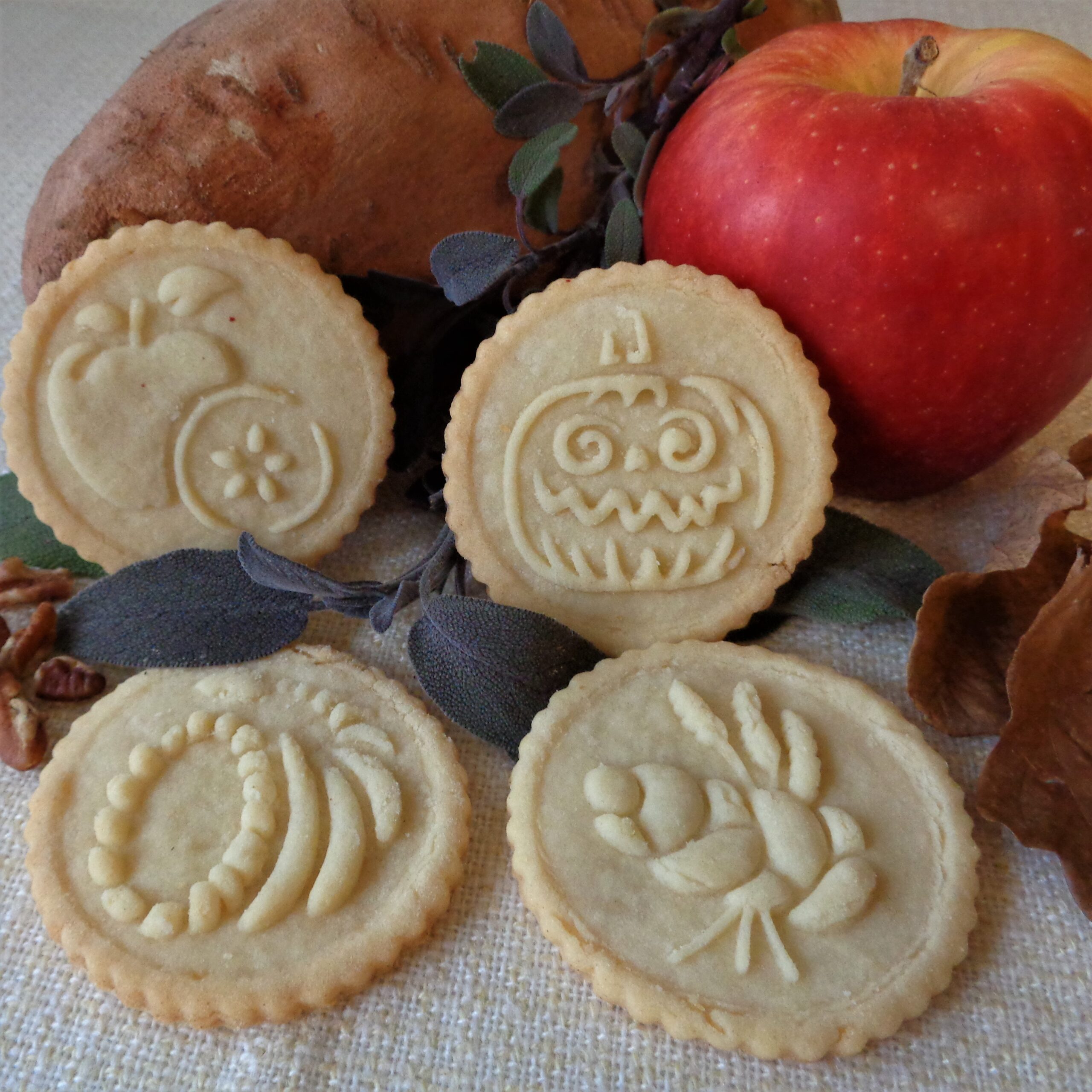
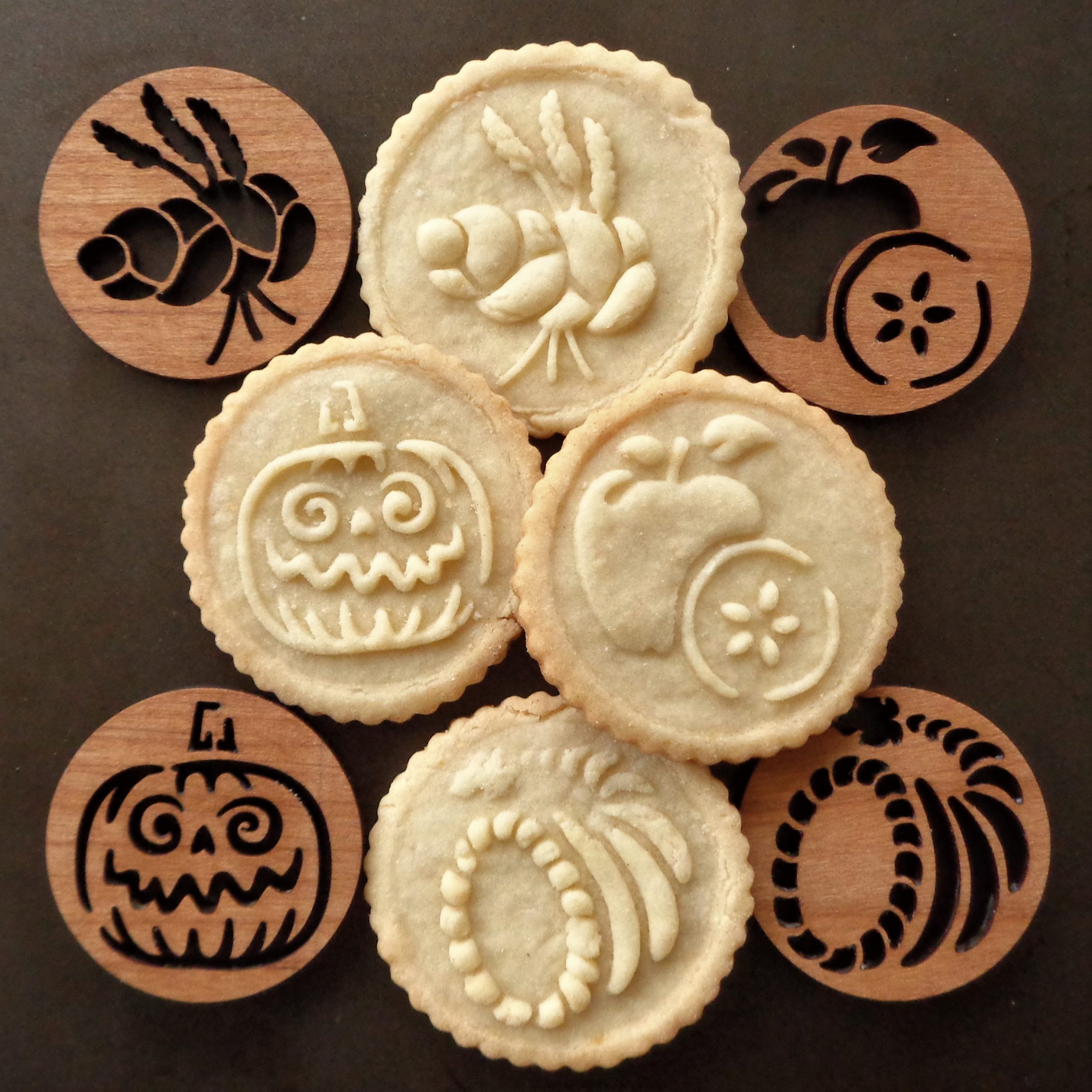
Description
As late summer turns to fall, winds blow cooler and the last of the fruits and vegetables become ripe for harvest. These are usually the foods that can be stored over winter and will feed families through cold, dark winter nights as the Earth rests.
The cornucopia is a symbol of that abundance. It can be found in a place of honour at Thanksgiving. Woven from reeds or stocks or baked from bread, it symbolizes never ending sustenance, which for many in years past, meant safety and life. Although we can pop down to the local grocery for most things with relative surety that it will be there these days, food security was much more fragile in days gone by. Communities lived on their ability to preserve enough food to get by until the following spring.
Harvest festivals happen around the world all year round. Gratefulness for the bounty the earth nourishes is expressed in community and in family gatherings. It is such an important holiday in North America, that the days around it are some of the busiest travel days of the year.
Apples are picked, ready for storage, cider making and pies. Wheat has been ground, ready for baking and beer making. In good years there are is a plethora of fruits and vegetables to share and give thanks for; pumpkins, cranberries, winter squash, grapes, kale and Brussel sprouts to name few.
In the United States, there is an additional theme of sharing that comes from the help new arrivals received from the native population when times were very hard. Adding extra guests to the Thanksgiving table is a way of passing the gift forward and supporting a sense of community.

Reviews
There are no reviews yet.